
Pomeranian Alopecia Explained with Causes and Proven Remedies
Why Is Your Pomeranian Losing Fur?
Alopecia X is a common cause of coat loss in Pomeranians. It happens when hair follicles stop producing new hair after shedding. The coat may first look dull or woolly, then thin around the thighs, tail, or body. This hair loss usually does not itch, but a vet should check it: thyroid disease, parasites, and other conditions can look similar.
Pomeranians are especially prone to Alopecia X, though its exact cause is still unclear. This guide explains what to watch for, how vets diagnose it, and which treatments and grooming choices may help.
Understanding Alopecia for Pomeranians: Causes and Risk Factors
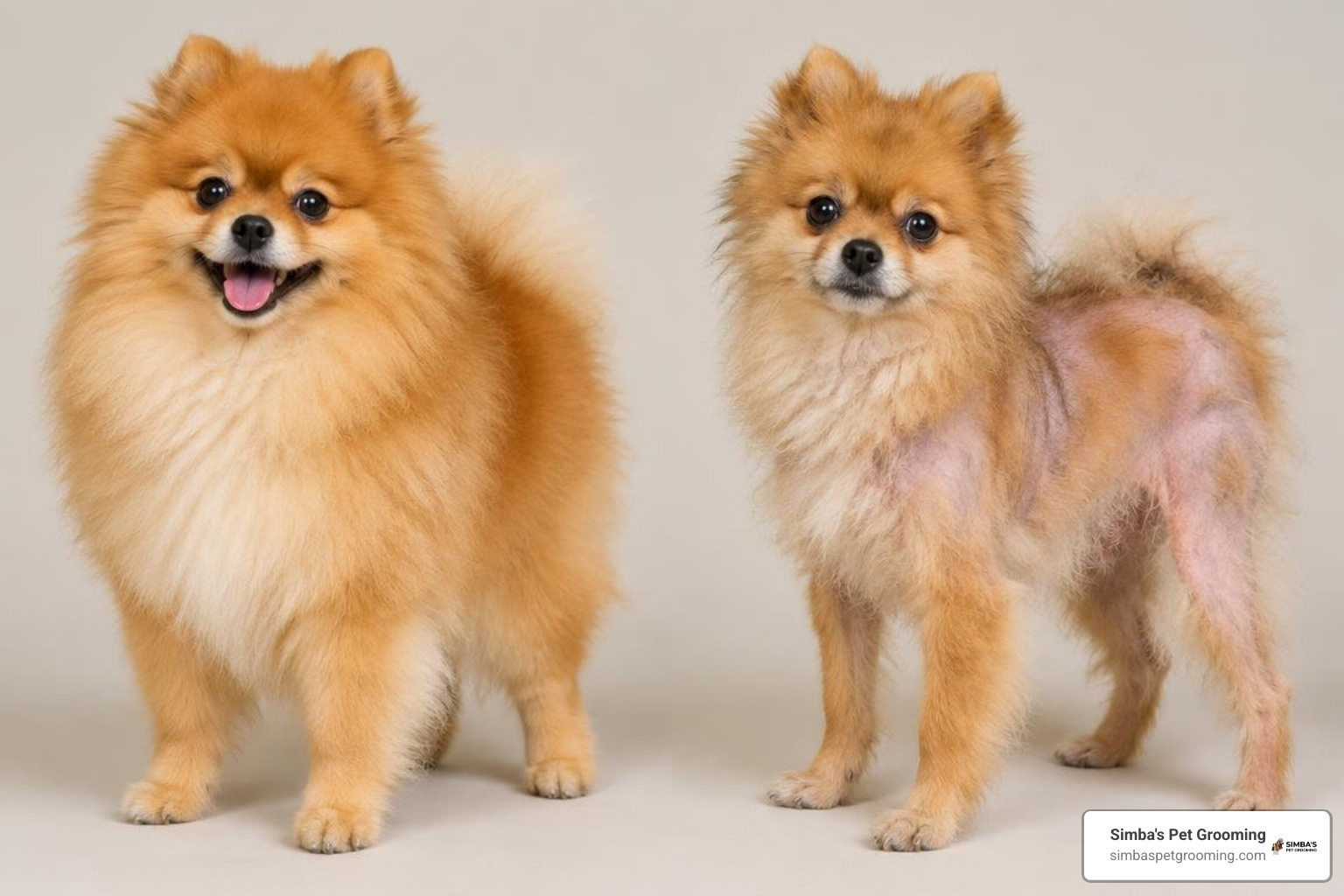
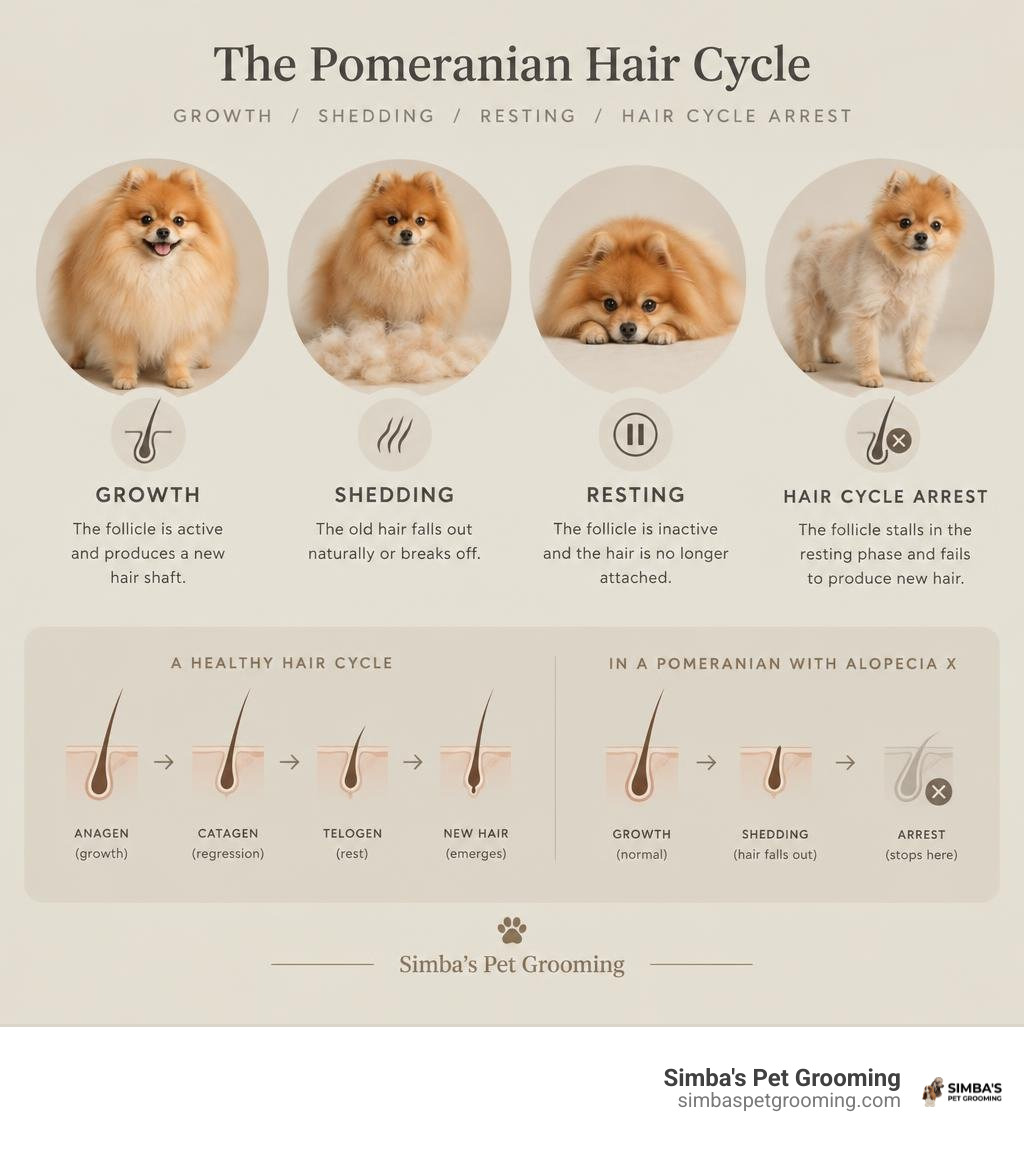
Alopecia X—also historically termed “black skin disease,” follicular dysplasia, or pseudo-Cushing’s syndrome—is primarily a condition of hair cycle arrest. In a normal canine hair growth cycle, hair follicles move through active growth (anagen), brief regression (catagen), and rest (telogen), after which the old hair sheds and a new shaft emerges. In Pomeranians affected by alopecia, the follicle stalls indefinitely in the telogen phase. The hair sheds naturally or breaks off, but the follicle fails to awaken and produce a replacement.
Epidemiological research demonstrates that Pomeranians are the single most susceptible breed, with studies documenting prevalence rates between 10% and 16%. While hormonal pathways involving adrenal sex steroids, growth hormones, and melatonin play an active role, the condition does not stem from classic endocrine organ failure. Instead, it is an intrinsic follicular receptivity issue influenced by genetics, sex, and physical hair structure.
A landmark epidemiological study, detailed in the Evaluation of phenotypic risk indicators for Alopecia X in Pomeranians, highlighted critical biological markers. Intact and neutered males face a higher risk than females (with females demonstrating a hazard ratio of 0.67 compared to males), and dogs presenting with specific coat phenotypes show an elevated susceptibility to follicular arrest.
Genetic Predisposition and Coat Type Risks
Research into the canine genome suggests an autosomal mode of inheritance with variable penetrance, pointing to candidate loci on chromosome 15 associated with melatonin pathways and follicle receptor signaling.
Phenotype plays a massive role in clinical vulnerability. Pomeranians naturally feature two distinct coat variations:
- Shiny, harsh guard coats: Dogs with coarse, glossy primary guard hairs and a balanced undercoat.
- Woolly, cotton-like coats: Dogs with an overabundance of soft undercoat and deficient, fine primary guard hairs.
The Dutch-Belgian study revealed that Pomeranians with a woolly coat type have a four-fold increased risk (hazard ratio of 4.02) of developing Alopecia X compared to dogs with shiny coats. In many cases, an abrupt textural shift—where a young adult Pom’s coat turns dull, dry, and cottony—precedes noticeable baldness by roughly six months.
The Danger of the “Boo Cut” and Shaving Hair Follicles
Few grooming trends have caused as much accidental coat damage as the “Boo Cut,” named after the viral social media Pomeranian whose fur was clipped into a teddy bear silhouette. Shaving or tight machine-clipping a double-coated Spitz breed presents severe dermatological risks.
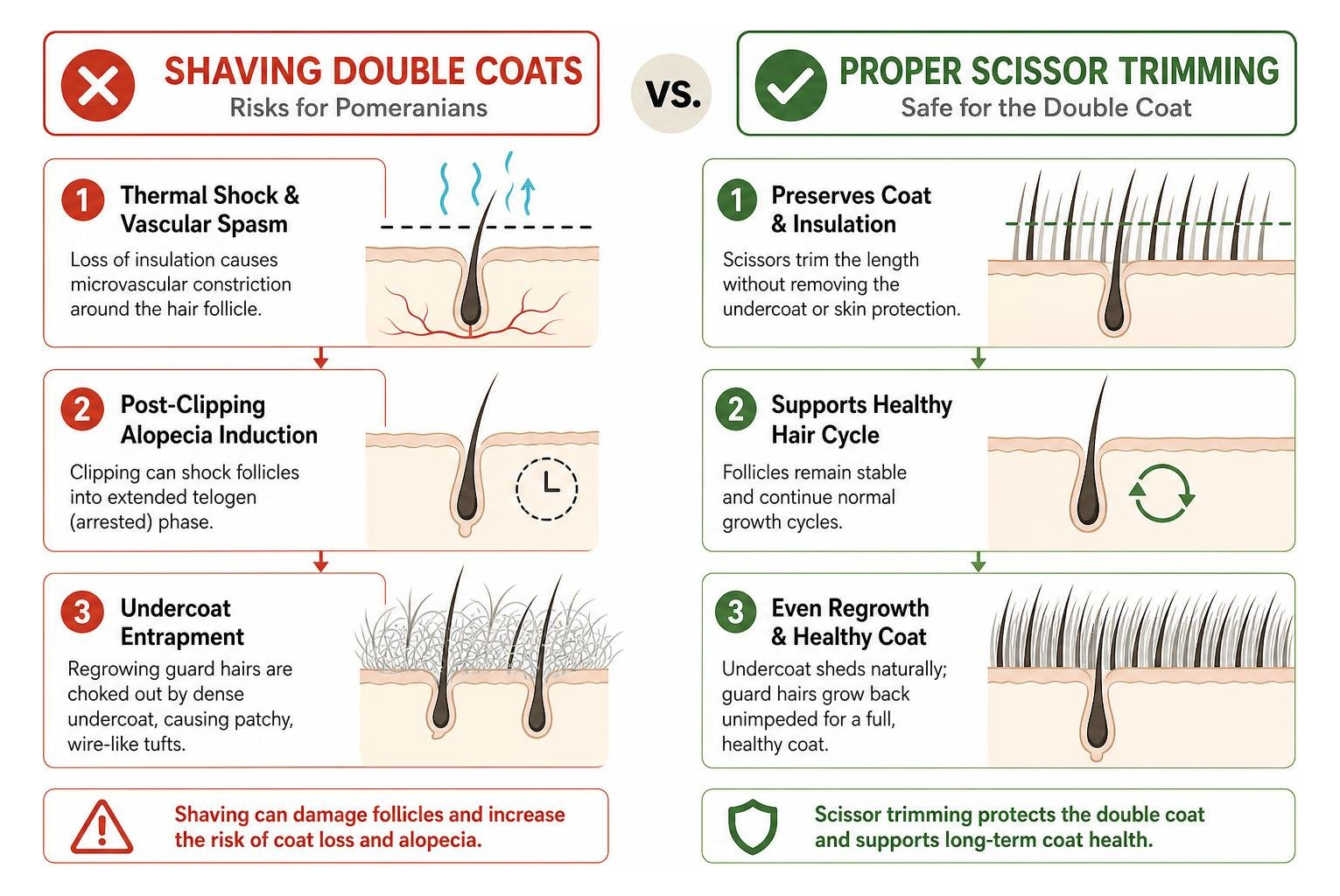
When electric clippers shear deep into the insulating undercoat, several damaging processes occur:
- Thermal Shock and Follicular Vascular Spasm: The sudden loss of thermal regulation causes microvascular constriction around the dermal papilla.
- Post-Clipping Alopecia Induction: For genetically predisposed dogs, physical clipping shocks active follicles directly into an extended telogen arrest.
- Undercoat Entrapment: If hair does attempt to return, the slow-growing guard hairs are often choked out by the fuzzy undercoat, resulting in patchy, wire-like tufts.
Once clipped down to the skin, a predisposed Pomeranian may never regrow their natural coat without intensive therapeutic intervention.
Clinical Signs and Hair Fragility in Pomeranian Alopecia
The progression of Alopecia X follows a symmetrical, non-inflammatory pattern. It typically begins with the loss of primary guard hairs along high-friction areas: the back of the thighs (the “pants”), the base of the tail, the neck collar, and the torso. The head, forelegs, and lower paws almost always remain fully furred, giving the dog a characteristic “lion-trimmed” appearance created entirely by spontaneous shedding.
As the condition advances, the soft undercoat falls away, leaving completely bare skin. Over months of exposure to air and ambient ultraviolet light, the bare skin undergoes hyperpigmentation, turning slate-grey or deep charcoal-black.
| Feature | Puppy Uglies (Juvenile Shed) | Seasonal Blow / Molt | Alopecia X (Hair Cycle Arrest) |
|---|---|---|---|
| Typical Age | 4 to 8 months old | Any age (bi-annual) | 1 to 3 years or 9 to 11 years |
| Pattern | Uneven, monkey-face pattern, patchy back | Diffuse all-over shedding, tufting | Symmetrical flank, thigh, and trunk loss; spared head and paws |
| Skin Color | Normal pink/pale skin | Normal pink/pale skin | Hyperpigmented (dark grey to black) |
| Guard Hairs | Emerging adult guard hairs visible | Intact guard hairs underneath | Guard hairs shed first; remaining coat becomes cottony |
| Regrowth Timeline | Automatic within 8 to 14 weeks | Regrows fully in 6 to 12 weeks | Indefinite arrest without clinical therapy |
Recognizing Early Warning Signs of Alopecia for Pomeranians
Early detection allows owners to intervene before follicles undergo prolonged atrophy. Identifying clinical signs of alopecia for pomeranians requires monitoring subtle structural changes in the coat rather than waiting for obvious bald patches:
- Loss of Guard Hair Luster: The coat loses its natural sheen, feeling dry, brittle, and perpetually static-charged.
- “Velcro” Matting: The undercoat clumps into tight, felted mats along the inner thighs and caudal flanks despite regular brushing.
- Puppy-Like Regression: An adult dog’s coat begins looking like an unkempt juvenile fuzzball rather than a layered, weather-resistant double coat.
- Absence of Pruritus: The dog does not scratch, bite, or lick the thinning areas. The skin looks entirely uninflamed, smooth, and clean.
Microscopic Hair Fragility (Trichorrhexis Nodosa)
Recent dermatological literature has uncovered that Pomeranian coat loss involves structural hair shaft defects alongside follicular arrest. According to scientific research on hair fragility in alopecic Pomeranians, dogs suffering from hair cycle arrest exhibit extreme microscopic hair fragility known as trichorrhexis nodosa.

In trichorrhexis nodosa, the structural cortex of the hair shaft fractures transversely, causing cortical cells to splay outward. Under a microscope, these breaks resemble two microscopic brooms or paintbrushes pushed together head-on.
- Unaffected Pomeranians show a median of only 2.3 fragility events per 10 mg of plucked hair (with an upper reference threshold of 9.75).
- Dogs with Alopecia X exhibit a staggering median of 66.0 fragility events (ranging from 30.2 to 166.7) per 10 mg of hair.
- Transverse fractures (trichorrhexis nodosa) outnumber longitudinal splits by roughly 17 to 1 in affected dogs.
This data demonstrates that long before the follicle goes dormant, the hair shafts emerging from it are structurally compromised, contributing to the fuzzy, broken appearance of the coat.
Diagnostic Protocols and Ruling Out Endocrine Disorders
Because Alopecia X is a diagnosis of exclusion, your veterinarian must methodically rule out systemic and metabolic illnesses that produce similar symmetrical baldness. A comprehensive diagnostic workup, outlined in this veterinary clinical guide on Alopecia X diagnosis, protects your dog from overlooked internal disease.
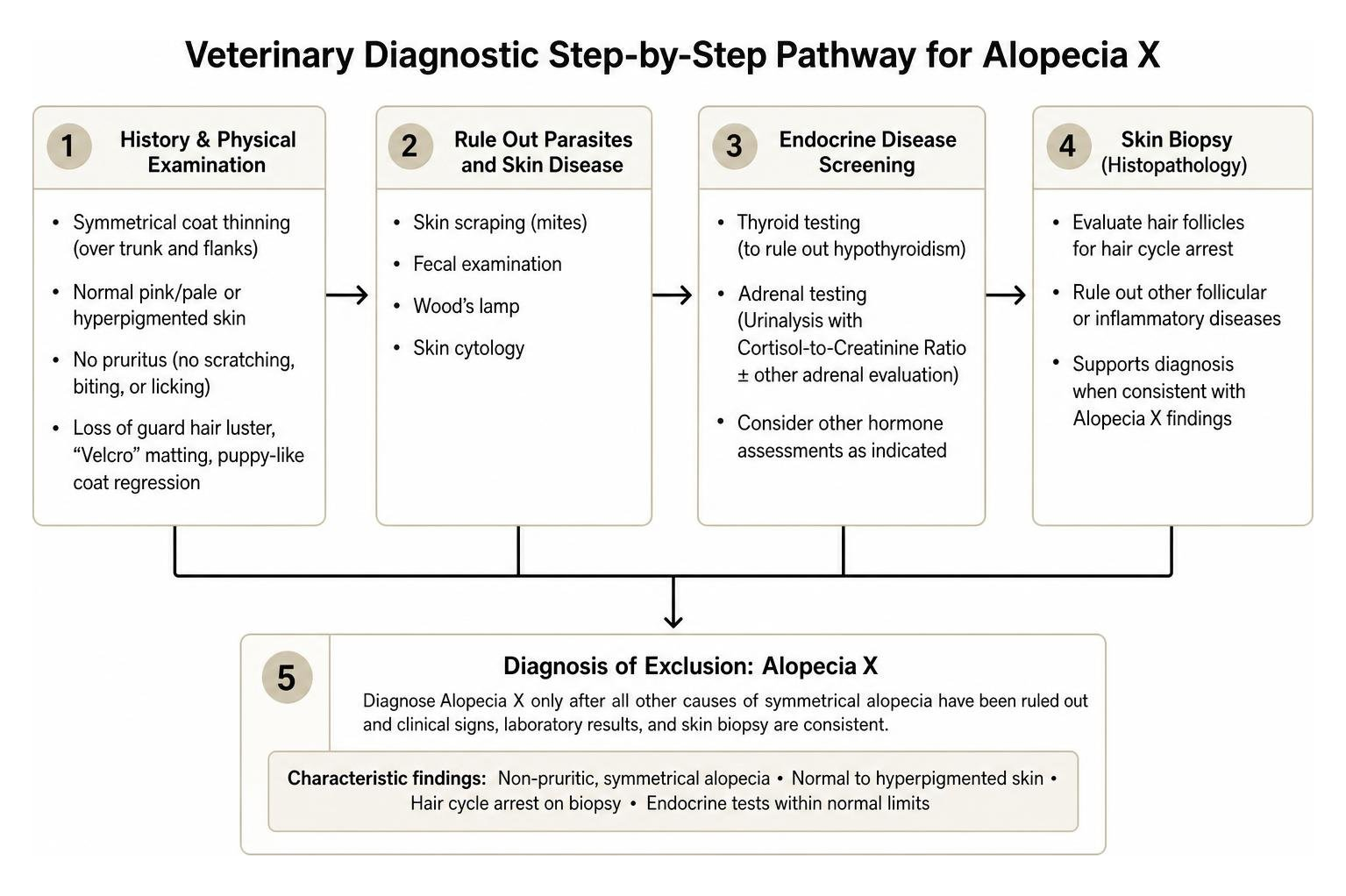
Essential Laboratory Tests and Skin Biopsy
A standard veterinary workup includes:
- Complete Blood Count (CBC) and Serum Chemistry: Evaluates systemic organ performance, kidney values, and liver enzymes (elevated alkaline phosphatase can point toward adrenal abnormalities).
- Urinalysis with Cortisol-to-Creatinine Ratio: Evaluates renal concentration and screens for excessive adrenal steroid production.
- Comprehensive Thyroid Panel (Total T4, Free T4 by Equilibrium Dialysis, and TSH): Rules out canine hypothyroidism, which frequently causes tail thinning (“rat tail”) and flank hair loss.
- Adrenal Screening (Low-Dose Dexamethasone Suppression or ACTH Stimulation Test): Differentiates Alopecia X from true hyperadrenocorticism (Cushing’s disease).
- Dermatohistopathology (Skin Punch Biopsy): A 6-mm punch biopsy evaluated by a veterinary dermatopathologist reveals classic hallmark signs: excessive trichilemmal keratinization (referred to as “flame follicles”), follicular miniaturization, and catagen/telogen predominance without active dermal inflammation.
Differentiating Alopecia for Pomeranians from Other Endocrine Diseases
- Hypothyroidism: Hypothyroid dogs exhibit systemic metabolic slowing, including weight gain, lethargy, cold intolerance, and poor baseline muscle tone alongside hair loss. Dogs with Alopecia X remain energetic, lean, playful, and systemically healthy.
- Cushing’s Disease (Hyperadrenocorticism): Dogs with Cushing’s show distinct clinical symptoms: polydipsia (excessive drinking), polyuria (excessive urination), polyphagia (ravenously hungry behavior), skin thinning, and a pot-bellied abdomen.
- Follicular Dysplasia and Color Dilution Alopecia: These structural abnormalities occur primarily in color-dilute dogs (such as blue or lavender Pomeranians), whereas Alopecia X occurs across all coat shades, from solid orange and red sable to black and cream.
Proven Treatments and Management Protocols
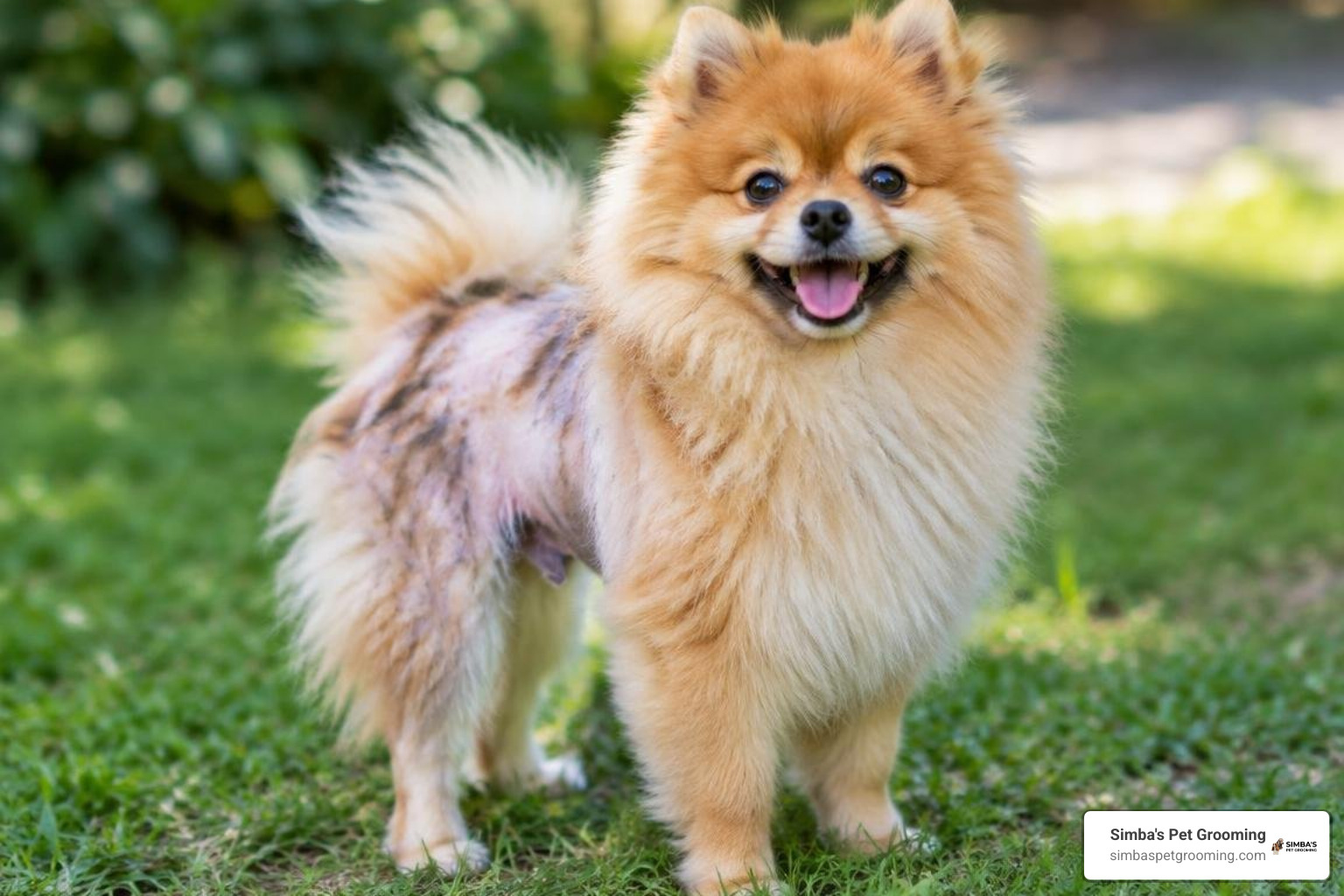
Because Alopecia X is purely cosmetic and carries zero risk to internal systemic health, treatments focus on encouraging dormant follicles back into the active anagen phase. Treatment is a marathon, not a sprint—restoring follicle cycling typically requires 8 to 16 weeks of consistent therapy before new hair growth emerges.
Clinical management options, synthesized from clinical insights on canine Alopecia X management, combine conventional veterinary protocols with topical support.
Conventional and Medical Approaches
- Melatonin Supplementation: The frontline therapy for Alopecia X due to its gentle safety profile and mild anti-gonadotropic properties. Veterinary dermatologists document partial to complete hair regrowth in approximately 30% to 40% of treated dogs. Dosing must use pure melatonin (free of toxic xylitol / birch bark sweeteners):
- Dogs under 7 lbs (3.2 kg): 1 mg orally twice daily.
- Dogs 7 to 11 lbs (3.2 to 5 kg): 1.5 mg orally twice daily.
- Dogs over 11 lbs (5 kg): 3 mg orally twice daily.
- Surgical Desexing (Castration or Ovariohysterectomy): In intact dogs, desexing alters circulating sex hormone ratios and triggers a surge in follicular cycling. Approximately 40–50% of intact dogs experience full coat regrowth within 3 to 6 months post-surgery, though the hair loss may recur several years later.
- Medical Micro-Needling (Collagen Induction Therapy): Performed under veterinary sedation, shallow mechanical micro-puncturing of the epidermis triggers local wound-healing cascades, releasing platelet-derived growth factors that stimulate adjacent hair follicles out of telogen arrest.
- Trilostane / Deslorelin: In stubborn cases refractory to melatonin, veterinarians may consider trilostane or deslorelin implants. Because these alter adrenal steroid synthesis and hormonal axes, they require regular blood panel monitoring and electrolyte checks.
Supportive Nutrition and Topical Skin Care
Topical dermatological care and dietary lipids nourish compromised hair follicles and rebuild broken epidermal barriers:
- High-Potency Omega-3 Fatty Acids: Therapeutic daily doses of marine-derived EPA and DHA (75–100 mg combined EPA/DHA per kg of body weight) reduce micro-inflammation around the follicle bulb and improve lipid synthesis.
- Biotin & Zinc Methionine Supplements: Reinforces the structural keratin matrix to combat the extreme shaft fragility demonstrated in trichorrhexis nodosa.
- Moisturizing Barrier Shampoos: Bathe every 10–14 days using colloidal oatmeal, phytosphingosine, or lipid-rich antimicrobial formulas that keep exposed skin hydrated without stripping natural sebum.
Protective Grooming and Daily Care Strategies
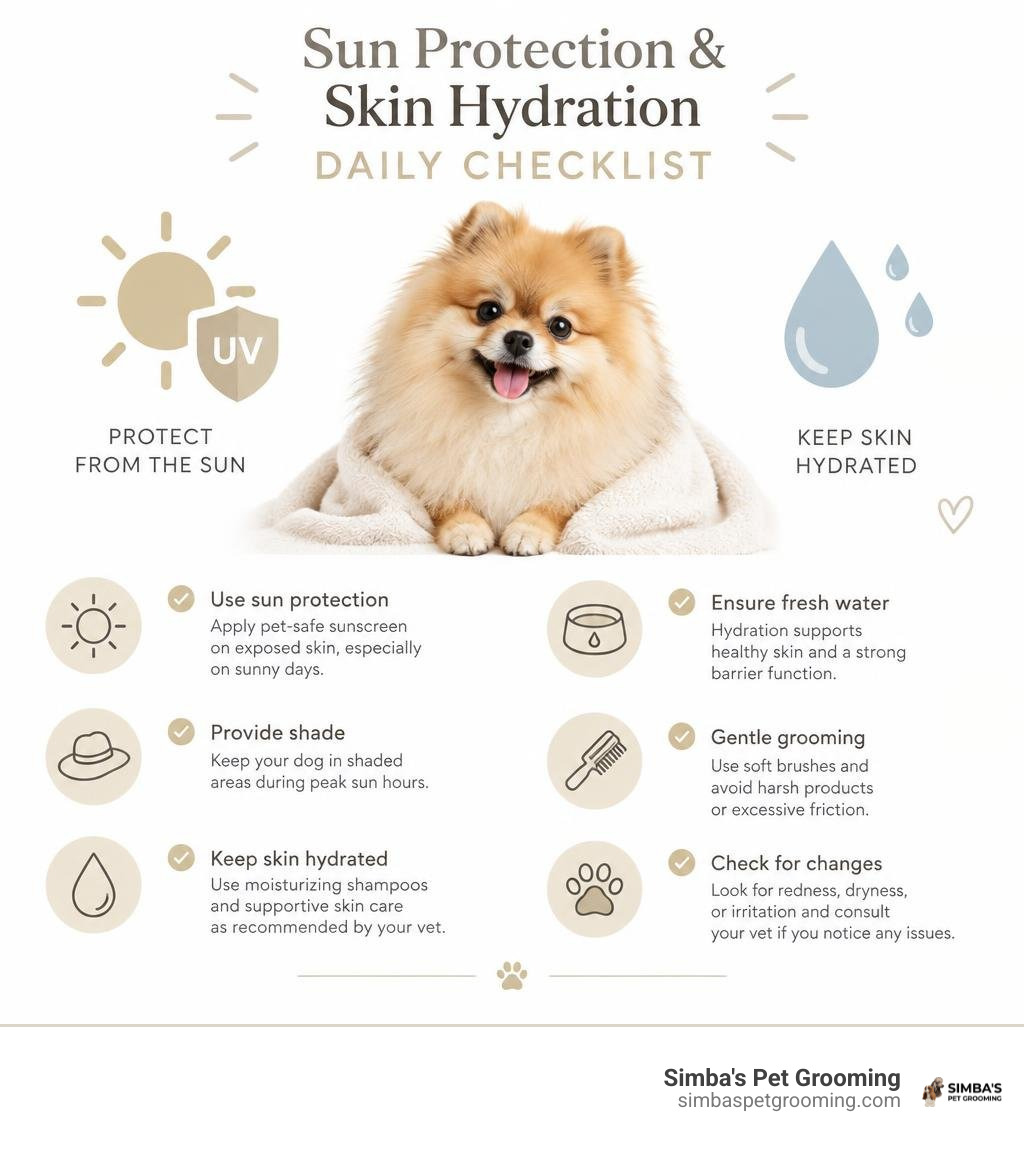
When your dog’s natural coat is compromised, their skin loses its primary defense against UV radiation, cold drafts, rough friction, and bacterial invaders. Tailoring your home routine and choosing experienced groomers ensures your dog stays comfortable and protected.
At Simba’s Pet Grooming, our team understands the unique challenges of double-coated breeds. When you bring your pet into our Pasadena salon or use our mobile grooming van, our staff handles sensitive coats with gentle techniques designed to preserve fragile follicles. For pets that need special attention or low-stress handling, our new client intake makes it easy to share your dog’s specific skin and coat history so we can tailor their visit from day one.
Sun Protection and Skin Barrier Support
Bare, hyperpigmented skin is vulnerable to solar damage. Owners should take proactive steps to safeguard exposed skin:
- Canine-Specific Sunscreen: Apply non-toxic, zinc-oxide-free dog sunscreen to the exposed spine, thighs, and flank before extended outdoor walks. (Zinc oxide is toxic if licked).
- Lightweight UV Apparel: Dress your Pom in breathable, SPF-rated canine sun shirts during daytime walks to block ultraviolet radiation and prevent sunspots.
- Thermal Balance Sweaters: Double coats trap warm air in winter and block heat in summer. Alopecic dogs struggle with temperature regulation, requiring soft cotton coats in winter and air-conditioned shade during summer months.
Safe Grooming Techniques for Double Coats
Daily brushing must balance skin stimulation with gentle handling to prevent snapping fragile hair shafts:
- Never Dry-Brush: Always mist the fur lightly with a leave-in conditioning spray or diluted aloe-based grooming spray before running tools through the coat.
- Use Wide-Tooth Metal Buttercombs and Soft Pin Brushes: Avoid aggressive slicker brushes with sharp wire pins, shedding blades, or dematting rakes, which snap fragile shafts showing trichorrhexis nodosa.
- Scissor Trimming Only: Never use electric clippers across the back, torso, or thighs. Limit clipping strictly to sanitary trims around the groin and light paw-pad clearing.
- Professional Line Brushing: Schedule regular appointments for coat-safe baths and hand-blown line brushing with Simba’s Pet Grooming. Professional high-velocity dryers, when operated on cool heat settings, gently separate mats and stimulate dermal microcirculation without causing heat damage.
If you are located in Pasadena or nearby communities and would like an experienced groomer to care for your dog’s delicate coat, you can easily book an appointment or contact our salon to discuss customized, low-stress care plans.
Frequently Asked Questions About Pomeranian Alopecia
Will my Pomeranian’s coat grow back after being shaved?
Regrowth after shaving depends entirely on whether your dog carries the genetic traits for hair cycle arrest. Some Pomeranians regrow their coat over 12 to 18 months, but genetically predisposed dogs often experience permanent post-clipping alopecia where follicles remain locked in the resting telogen phase. If hair does not start returning within 3 to 4 months following a clip, consult your veterinarian to begin therapeutic protocols such as melatonin supplementation and topical skin barrier therapy.
Is Alopecia X painful or itchy for dogs?
No. Alopecia X is a non-inflammatory, non-pruritic cosmetic disorder. Dogs with Alopecia X do not experience pain, soreness, or itching from the hair loss itself. However, because exposed skin lacks the mechanical cushion and insulation of a double coat, it is more susceptible to secondary environmental issues like sunburn, contact dryness, friction rubs, and secondary bacterial or yeast overgrowth.
What is the difference between puppy uglies and Alopecia X?
The “puppy uglies” is a natural, healthy developmental stage that occurs between 4 and 8 months of age, during which a juvenile Pomeranian sheds their puppy fuzz to make room for adult guard hairs and dense undercoat. This transition resolves on its own by 10 to 12 months of age. In contrast, Alopecia X typically develops between 1 and 3 years (or as a late onset between 9 and 11 years), causing symmetrical loss of guard hairs and hyperpigmentation that persists indefinitely without active clinical treatment.
Conclusion
Pomeranian Alopecia X can feel overwhelming when your dog begins losing their iconic, fluffy coat. However, understanding that this is a painless cosmetic condition allows you to focus on what matters most: gentle skin barrier support, veterinarian-guided therapies like melatonin, and protective grooming routines.
By avoiding close clippers, protecting delicate skin from UV damage, and partnering with knowledgeable professionals who respect the structure of double coats, you can keep your Pomeranian comfortable, healthy, and happy. If you ever have questions about gentle hygiene, coat-safe washing, or scissor-only styling for your dog, the experienced team at Simba’s Pet Grooming is always here to provide dedicated, stress-free care.